



Are you a Recruiter who is excellent at your job, but you feel exhausted? Maybe your calendar looks like a game of Tetris? Between 9:00 AM and 11:00 AM, you have scheduled eight “quick 15-minute chats” just to check if candidates actually speak the German they claimed on their CVs. By noon, you had repeated the same introductory script four times, dealt with two “no-shows,” and realized that three of the candidates aren’t even at a B1 level. Meanwhile, your top-tier candidate – the one who actually is fluent – just accepted an offer from a competitor who moved faster.
It is the daily reality of manual recruitment in a globalized market. If your hiring process relies on DIY “vibe checks” for language skills, you aren’t just wasting time – you are losing the war for talent (unless, of course, your recruiters are language specialists – but are they?).
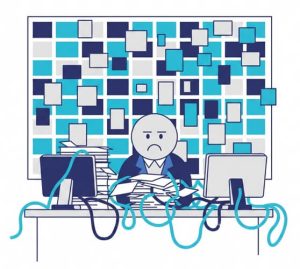
Why manual interviews are killing your efficient hiring goals
In the current landscape of efficient hiring, time is the only currency that matters. When HR and recruitment departments stick to DIY language screening, they fall into the “manual trap”.
- Subjectivity: one recruiter might think a candidate is “fluent,” while another thinks they are on intermediate level.
- Inconsistency: fatigue sets in. The candidate interviewed at 4:30 PM rarely gets the same energy or scrutiny as the one at 9:00 AM.
- Scalability nightmare: if you need to hire 50 people for a new multilingual hub, it’s extremely hard to physically interview 500 applicants to find them.
To save time, companies are moving away from these legacy processes. The goal isn’t just to work faster; it’s to eliminate the “busy work” that prevents HR and recruitment team from focusing on high-level strategy.
Losing top talent to faster competitors
We are currently seeing a massive shift in HR tech trends. In 2026, the “time-to-hire” metric has become the primary KPI for recruitment success. Top-tier candidates – the “A-players” – are usually off the market within 10 days.
If your workflow includes:
- CV screen
- Phone call/e-mail to schedule a language check
- The language check itself (3-5 days later)
- Feedback loop
…you have already lost. Your competitors are using recruitment automation to screen candidates while they do something else. By the time you are dialling a candidate’s number for a “quick chat,” they have already completed an automated language testing module and received an invite for a final interview with your rival.

Digital language screening: the power of on-demand audits
The solution is digital language screening. Instead of a recruiter acting as a human stopwatch and dictionary, you deploy pre-employment testing that works on-demand.
Automated recruitment doesn’t mean losing the human touch – it means saving the human touch for when it actually matters. With language audit SaaS like Focus Audit, the process looks like this:
- Step 1: The candidate applies.
- Step 2: You send them a link to a digital language audit.
- Step 3: The candidate completes the audit in their own time (even at 9:00 PM on a Sunday).
- Step 4: You receive an objective, CEFR-aligned report in your inbox within 24 hours (or faster if you need to make an offer asap).
This is HR workflow optimization in its purest form. You only spend your expensive human hours talking to candidates who have already been verified as linguistically capable.
Why language audit software is a strategic SaaS choice
For a CEO or a CFO, the decision to invest in a language assessment tool is about the bottom line. Let’s look at the math:
| Feature | Manual Screening | Focus Audit Tool (Automated) |
| Time per Candidate | 30-45 mins (incl. scheduling) | 0 mins (Admin time) |
| Consistency | Low (recruiter bias) | High (Standardized) |
| Candidate Experience | Frustrating (waiting for calls) | Empowering (Instant access) |
| Cost per Hire | High (labor intensive) | Low (scalable SaaS model) |
By implementing automated language testing, you aren’t just buying software; you are buying back your team’s time. This allows recruiters to move from “gatekeepers of basic skills” to “talent partners” who can focus on cultural fit, negotiation, and onboarding.
It’s time to modernize your workflow.
By embracing automated language testing, you eliminate the frustration of manual work, satisfy the desire for automated workflows, and – most importantly – ensure that you never lose a top candidate to a faster competitor again.